If you love OUTLANDER, this is your new guilty pleasure!


Meet the characters of the Kingfisher series.

Vala Penrys / Vivyane
Born in 1888 in Mandalay, Burma; raised in Caernarfon, Wales.
Twin sister to Isla.

Isla Penrys / Igrayne
Born in 1888 in Mandalay, Burma; raised in Caernarfon, Wales.
Twin sister to Vala.
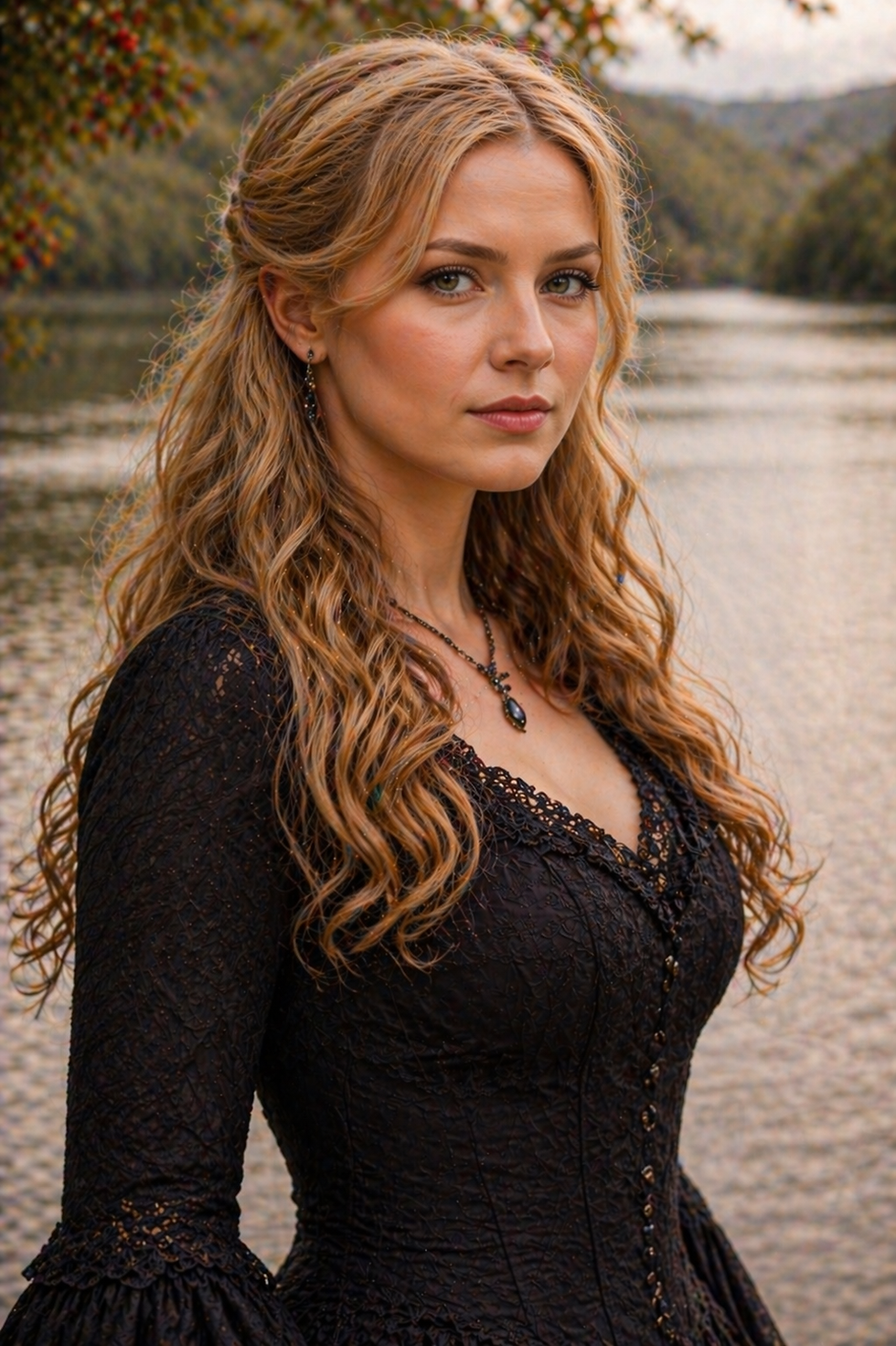
Maegen Penrys / Morgayne le Fey
Born in 1887 in Caernarfon, Wales; abandoned and raised by gipsies in Penmorfa forest.

Gwynna Penrys / Gwynhwyfar
Born at Glastonbury Abbey, 484 C.E.; abandoned and raised by nuns.

Elwyn Penrys / Elayne
Born at an asylum in Wales, 1892. Taken in by Ian Penrys.

Taliesin Wren / Merlyn
Son of Gaius and Angelique Wren; born in Romania, raised in the Brecon forest near Caernarfon.

Gaius Wren / Lord Manawydan / Gorlois
Gipsy traveller. Obsessed with Isobel and with time travel.

Isobel Penrys / Lady Rhiannon
Daughter of Illya Thackerey; twin of Ana Penrys. Time traveller.
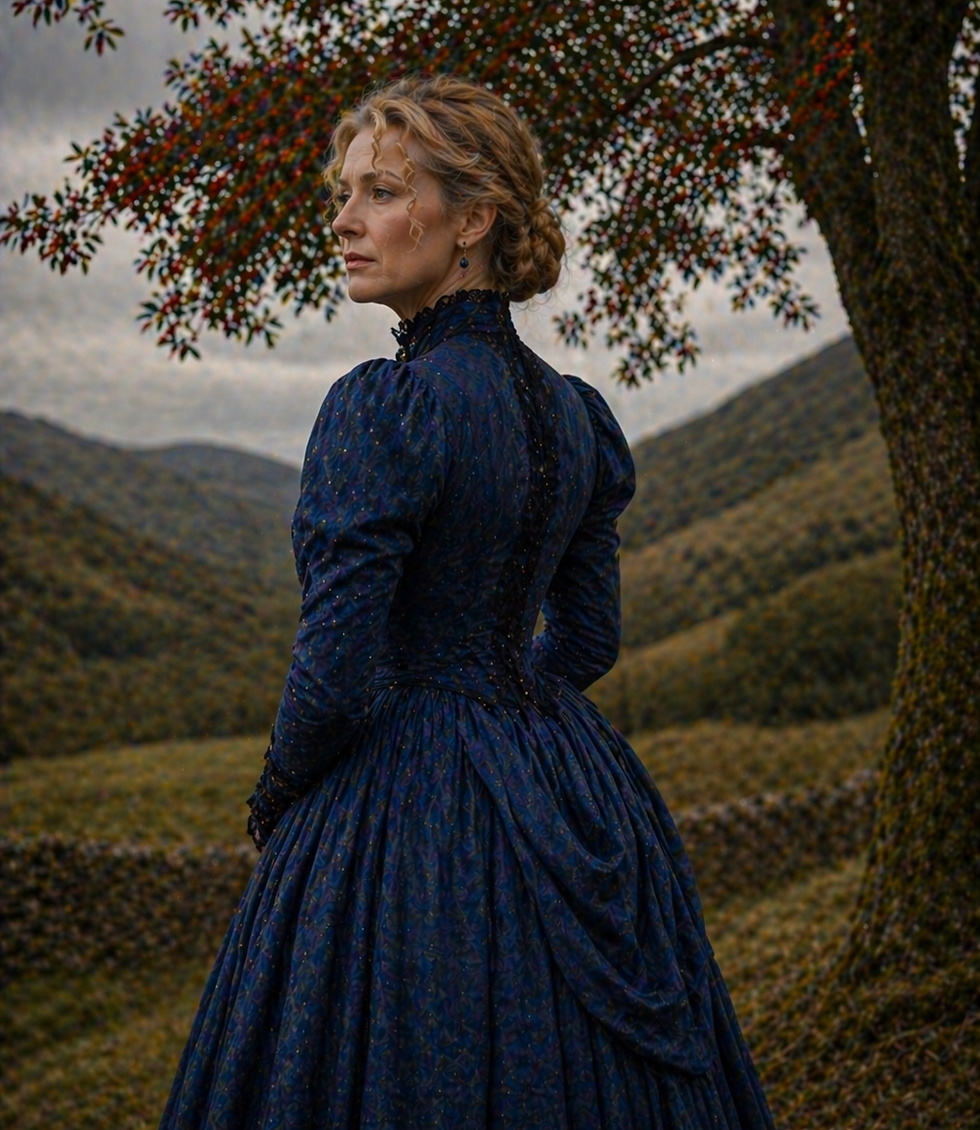
Ana Penrys
Daughter of Illya Thackerey; twin of Isobel Penrys.
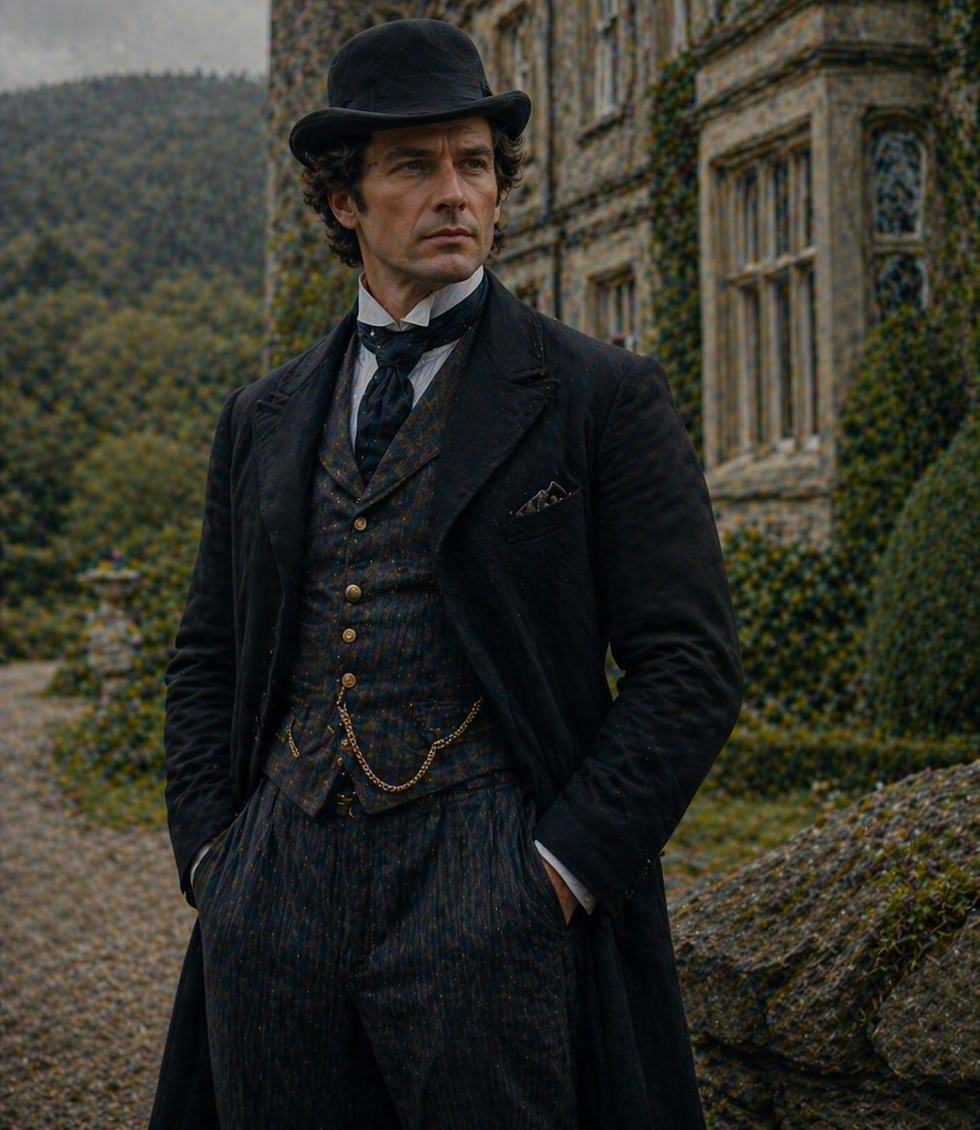
Ian Penrys
Father of Vala and Isla. Served in the Boer War and Mandalay with the Welsh Guards.

Illya Thackerey / Alcyone / The Lady of the Fountain
Mother of Isobel and Ana.

James Thackerey
Husband of Illya Thackerey. Served in India during the Sepoy Mutiny.

Luke Llewellyn (Penrys) / Launcelot du Lac
Son of Ana and Ian Penrys. Fraternal twin of Arthur / Axel. Raised in Broceliande France.

Arthur Penrys / Axel Koenig
Son of Ana and Ian Penrys. Fraternal twin of Luke / Launcelot de Lac. Raised in Germany.

Arthur Pendragon
Son of Igrayne, priestess of Avalon, and Uther Pendragon, and the High King of Britain.

Uther Pendragon
High King of Britain, 480 A. D.

H. G. Wells
Early 20th century author of 'The Time Machine', political activist, and member of the Round Table Society.

Gwendoline Davies
Art philanthropist and daughter of Welsh industrialist, David Davies.

Margaret Davies
Art philanthropist and daughter of Welsh industrialist, David Davies.

Edward Davies
Son of Welsh industrialist, David Davies.
Minor characters:
-
Lady Carlton - the local town gossip
-
Vicar Dee - of the parish in Llanginadyr, Wales
-
Bryn Dee - the vicar's son and Vala's first love
-
Mary Dee - the vicar's wife
-
Angelique Wren - Taliesin's mother, a gipsy
-
Kezia - Illya's sister, gipsy, a fortune-teller
-
Alice Liddell - (of Lewis Carroll's Alice in Wonderland); in Illya's care when she was her governess
-
Lord 1st Viscount Edward Grey of Falladon - British statesman and politician; member of the Round Table Society
-
Lakshmibai, the Rani of Jhansi - stood against the British East India Company; friend to Illya Thackerey
-
Charlotte Llewellyn - the woman who raises Luke
-
etc.....
RESEARCH & INTERESTING HISTORY
The Round Table Movement grew out of a group known as Lord Milner’s “Kindergarten” in the early 20th century. After 1905, its members began promoting their ideas more actively, particularly in South Africa, and held regular discussion meetings called “moots.” The movement formally took shape at a 1909 conference in Wales, with key figures such as Lionel Curtis and Philip Kerr helping to organize it.
Its main goal was to encourage closer unity within the British Empire. While some members initially supported the idea of a formal imperial federation, the movement gradually shifted toward promoting cooperation and the development of a “Commonwealth” based on increasing self-government among its members.
The group expanded internationally, establishing branches across the Dominions and publishing The Round Table Journal to share ideas. During and after the First World War, it influenced discussions about the future of the Empire, especially the transition toward a more collaborative Commonwealth system.
In the interwar years and beyond, the movement continued to advocate cooperation among Britain, its former colonies, and even the United States, supporting gradual self-government and independence movements. Though its influence declined over time, it remains associated with ongoing discussions about the role and future of the Commonwealth.
The Round Table Society
.png)

The Coefficients was a monthly dining club founded in 1902 by Sidney Webb and Beatrice Webb as a forum for discussing political ideas in Edwardian Britain. Its name reflected a shared interest in improving national “efficiency,” and its membership brought together a wide range of influential figures from across the political spectrum, including Liberals, Conservatives, military leaders, and intellectuals such as Bertrand Russell and H. G. Wells.
The club was intended as a space for serious debate and policy discussion, but it soon became more of an intellectual gathering than a body for direct political action. Members met regularly over dinner to exchange ideas on imperial policy, military reform, and national strategy.
However, internal disagreements, particularly over foreign policy and tariff reform, created divisions within the group. These tensions ultimately led to its decline, and the club dissolved in 1909, though its members continued to influence British political thought in other circles.
The Coefficients
H. G. Wells spoke and wrote extensively during and after the First World War about the need for a lasting international peace, centering his vision on the creation of a League of Nations. In his addresses and essays, he argued that Britain’s future security could not rest on military power or imperial rivalry, but on cooperation between nations through a structured global organization.
Wells believed the League should be more than a loose alliance. He envisioned it as a strong, evolving body capable of preventing war through collective agreements, open diplomacy, and shared responsibility among nations. For Britain, he saw participation not as a loss of power, but as a moral and practical step toward stabilizing the world and avoiding the devastation of another global conflict.
At the same time, Wells warned that peace required more than treaties. He emphasized the need for public support, education, and a shift in political thinking away from nationalism toward a broader sense of global citizenship. In this way, his message linked Britain’s peace not only to international structures like the League of Nations, but to a deeper transformation in how nations understood their role in the world.
Author, H. G. Wells, speaks of peace for Britain


On the eve of 1914, beneath the formal machinery of British politics, a quieter world of influence thrived in clubs, dining circles, and semi-private groups where power was shaped as much by conversation as by Parliament. Networks connected to figures such as Alfred Milner and Sidney Webb brought together imperial planners, reformers, and intellectuals who debated the future of Britain and its empire. While some pursued visions of lasting peace through international cooperation, others engaged in careful political maneuvering, balancing ideals with strategic interests in an increasingly unstable Europe. In these overlapping circles, where alliances were informal and influence often unseen, the quest for peace was inseparable from the subtle negotiations and competing ambitions that would soon be tested by the outbreak of war.
It is within this world, that Vala's quest for peace, and her involvement with the hidden agendas within Britain, and within her own family, that the story of KINGFISHER takes to flight... and falls into the past where the knights of the round table, and a legendary King, seek peace their island and a united kingdom held secure by Excalibur.